Get a glimpse into Flower Conroy’s new collection, “Zoodikers: A Bestiary,” winner of our 2024 Richard Mathews Prize for Poetry.
Blog
The Anthropocene Unconscious of Jerry London’s Killdozer (1974)
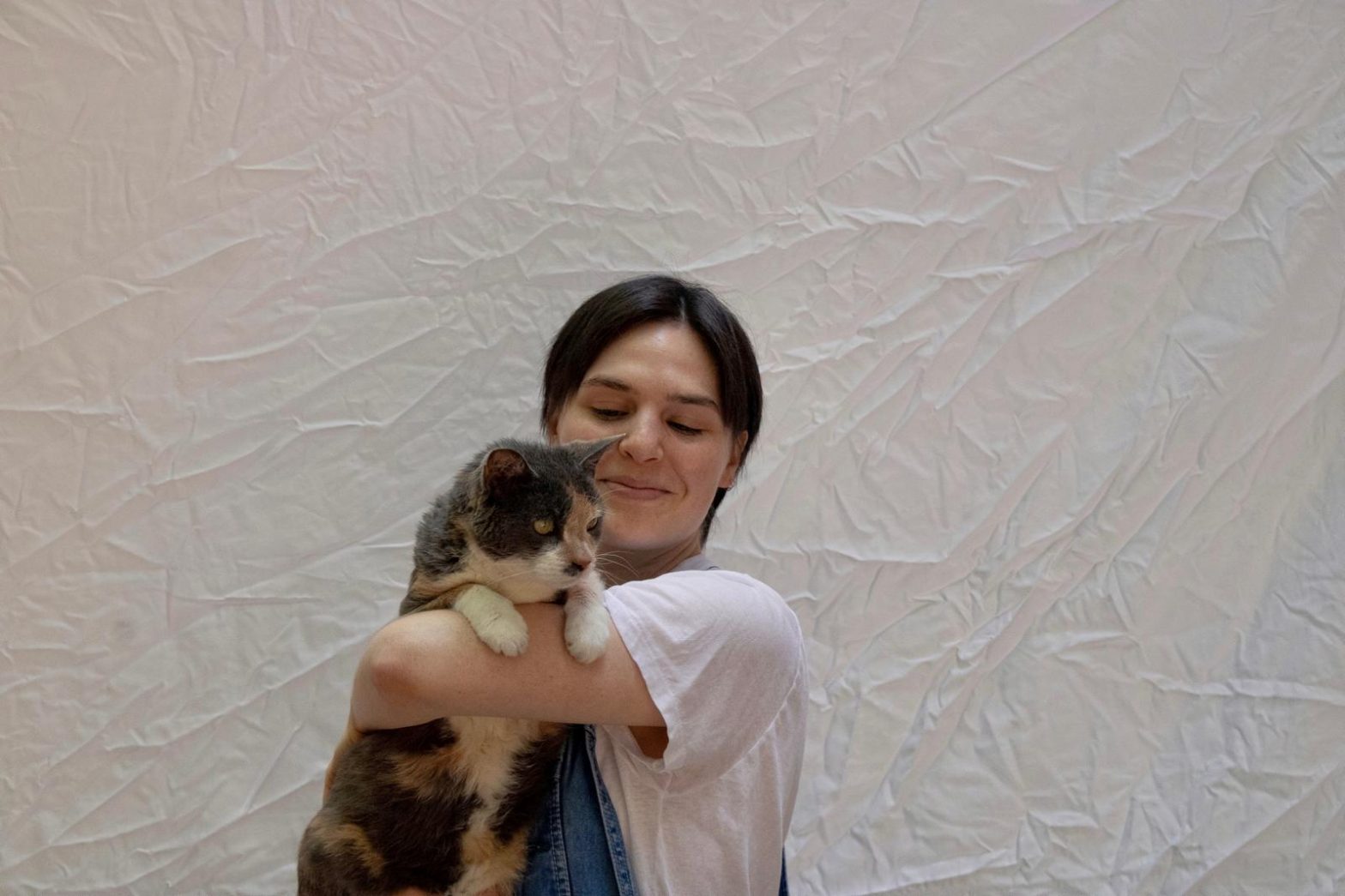
Studies in the Fantastic, in partnership with the Horror Studies Research Group at Northumbria University, is proud to present the first in a series of blog posts highlighting new and exciting research in horror studies. Sophie Dungan, the first of our featured authors, is runner-up for the Peter Hutchings Award for Outstanding Contribution to Horror Studies, which recognizes the best new work presented at the Horror Studies Now annual research conference. Her project, “The Anthropocene Unconscious of Jerry London’s Killdozer (1974),” brings a crucial environmental perspective to the monster flick.
An Interview with Poet Richard Chess
Richard Chess discusses how he started writing poetry, what inspires him, and why you should follow your imagination.
Acquisition Announcement: The Catastrophic Nature of Time by Luigi Russi
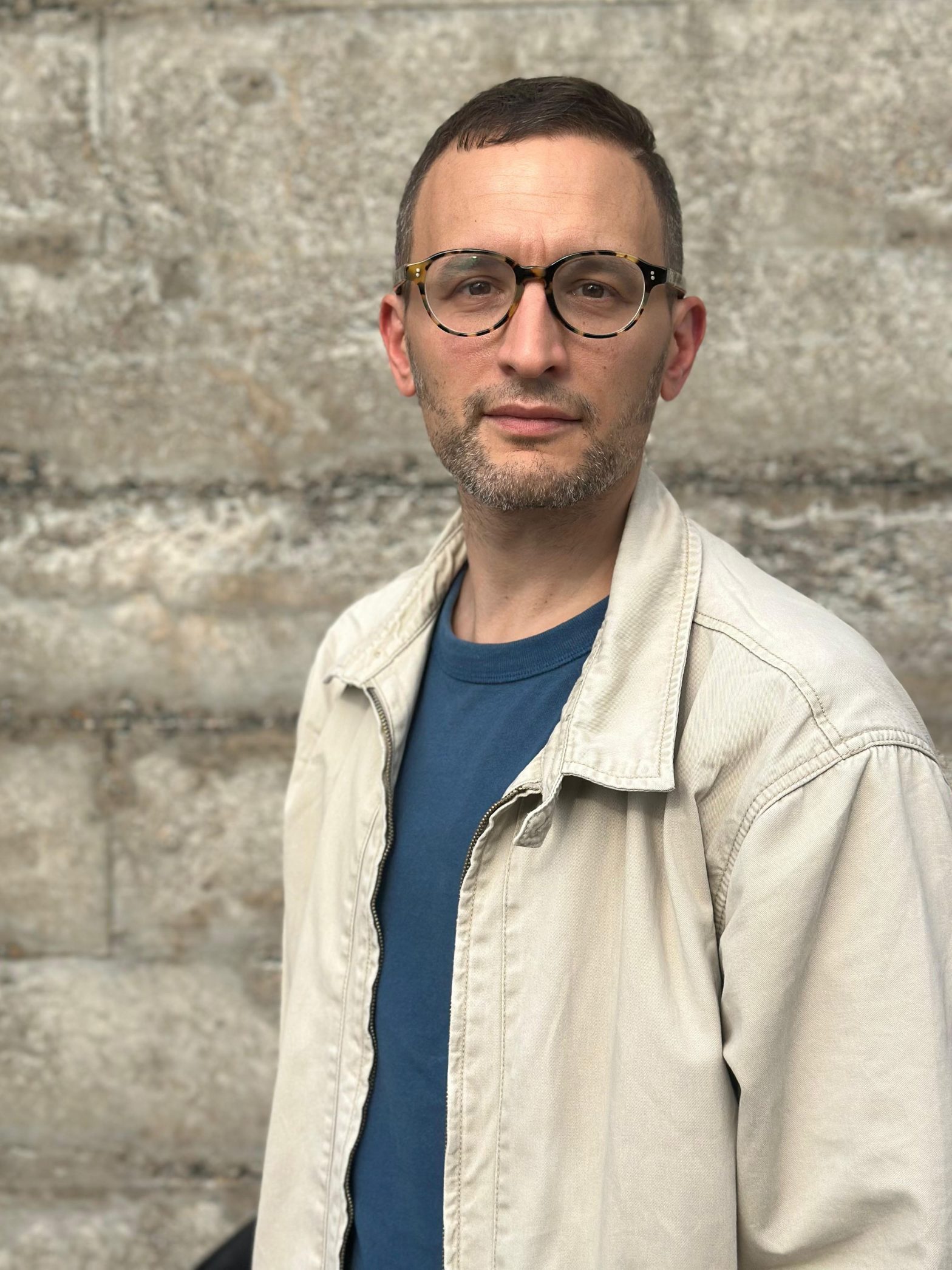
We are excited to announce our latest acquisition and the inaugural work in our series Pith: Luigi Russi’s The Catastrophic Nature of Time.
Acquisition Announcement: The Voice of Blood, English Translation

We are thrilled to announce our latest acquisition: the first English translation of La voz de la sangre [The Voice of Blood] by Gabriela Rábago Palafox, translated by M. Elizabeth Ginway and Enrique Muñoz-Mantas.
Wisdom and order and lovely unruliness: An Interview with Lance Larsen
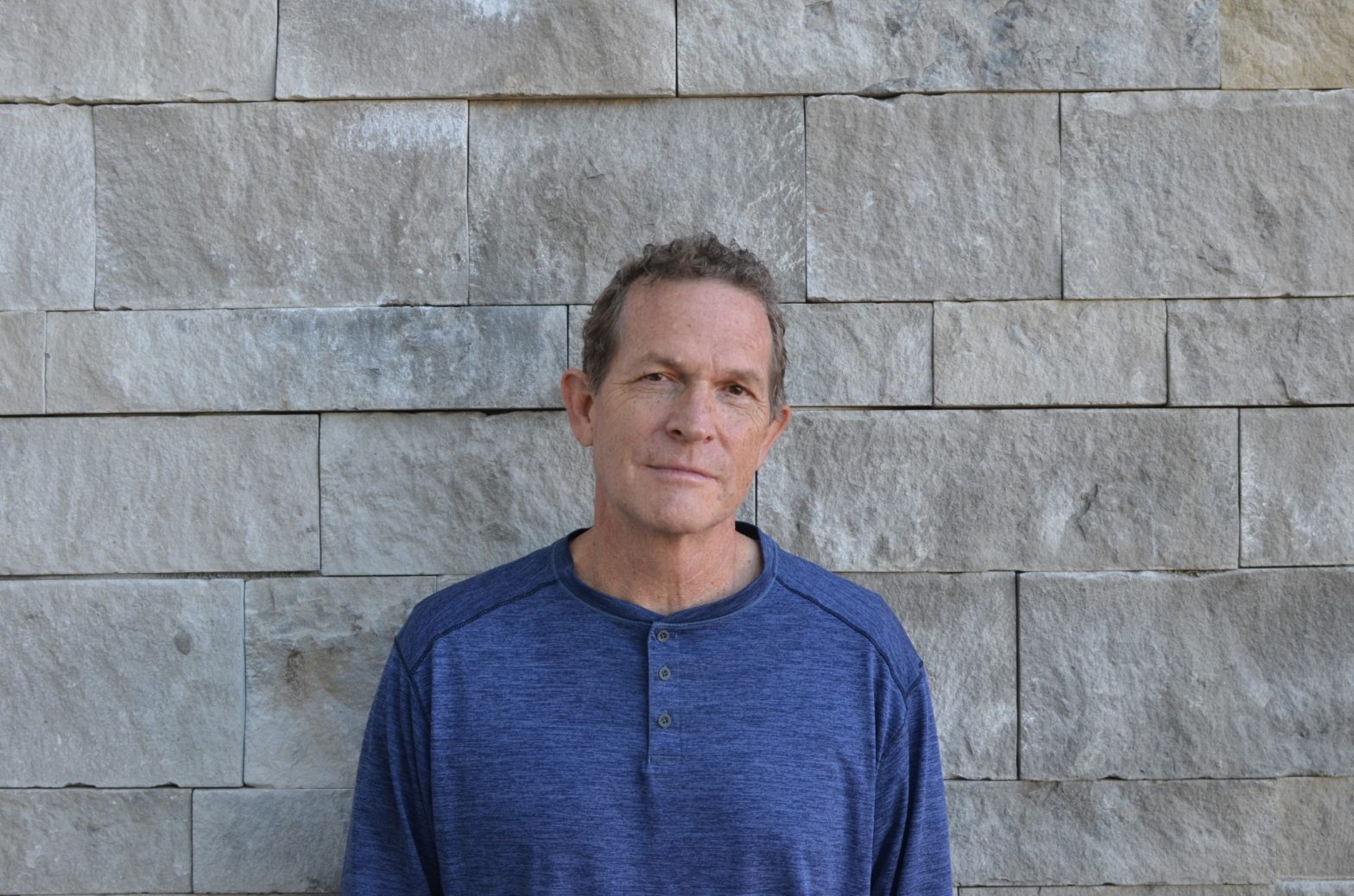
Ryan McIlvain interviews Lance Larsen about his new poetry collection Making a Kingdom of It.
Acquisition Announcement: Expedition by Valerie Vogrin

We’re delighted to announce the next book in our Pomme novella series—Expedition by Valerie Vogrin!
Acquisition Announcement: Zoodikers by Flower Conroy

We are thrilled to announce that we will be publishing Flower Conroy’s Zoodikers: A Bestiary, the winner of the 2024 Richard Mathews Prize for Poetry.
“Over time, the loop widens:” A Conversation with Scott Frey

Natalie Tombasco, poet and nonfiction editor at Tampa Review, interviewed poet Scott Frey about his forthcoming collection, Heavy Metal Nursing.
An Interview with Lauren C. Teffeau

Caitlin Carpenter, an assistant editor at Tampa Review, interviewed speculative fiction writer Lauren C. Teffeau about her latest novella A Hunger with No Name. They discussed themes of generational storytelling, her creative inspiration, and delved into her writing process.